
A banksman (also called a vehicle marshal or signaller) is a trained person who guides vehicles and plant safely when the driver cannot see clearly, most often when reversing. The banksman stands in a safe position where the driver can see them, keeps people out of the danger zone and uses agreed hand signals to direct the driver, stopping the movement immediately if anything changes. Banksmen are used on construction sites, at loading bays, in depots, during deliveries to retail and office sites, and in busy car parks and events.
This guide explains what a banksman does, when one is needed, the standard signals, the training options and how to plan safe reversing on your site.
Why banksmen matter: the numbers
Being struck by a moving vehicle is one of the most common causes of fatal injury at work in Great Britain. The Health and Safety Executive reports that vehicle strikes account for 16% of fatal workplace injuries, an average of 21 deaths a year over the last five years. HSE notes that many of these incidents follow the same pattern of reversing with poor visibility, and lists “delivery schedules take priority over having a banksman present” as a common failure.
When do you need a banksman?
HSE’s guidance on reversing says the first step is to remove the need to reverse where possible, for example with one-way systems and drive-through loading. Where reversing cannot be avoided, a banksman should be used where there is a risk to people and other measures, such as cameras, sensors and segregated areas, do not control the risk on their own. Typical situations include:
- Deliveries reversing into loading bays near pedestrians.
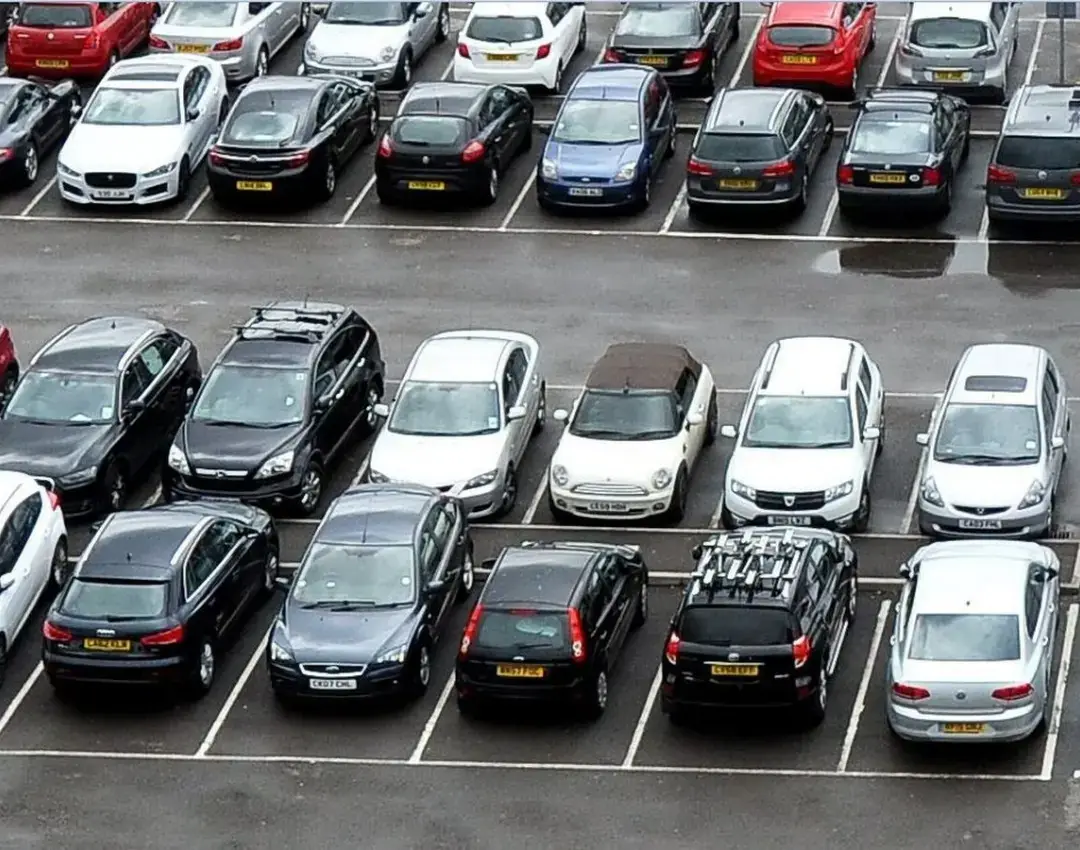
- Vehicles reversing in a car park, yard or service road with public access.
- Plant and machinery moving on construction or maintenance sites.
- Large vehicles manoeuvring at events, markets and festivals.
- Waste collection in restricted spaces.
What does a banksman do?
- Agrees the plan and signals with the driver before the manoeuvre starts.
- Checks the route is clear of people, obstructions and overhead hazards.
- Stands in a safe position, never directly behind the vehicle, and stays visible in the driver’s mirror.
- Uses clear hand signals or radio to guide the driver.
- Keeps pedestrians and other vehicles out of the exclusion zone.
- Gives the stop signal immediately if they lose sight of the driver or the situation changes.
- Wears high-visibility clothing and appropriate PPE.
The golden rule for drivers: if you lose sight of the banksman, stop.
Standard banksman hand signals
UK signals are based on the Health and Safety (Safety Signs and Signals) Regulations 1996. Common signals include:
| Signal | Meaning |
|---|---|
| Both arms raised, palms facing forward | Start / attention |
| Right arm raised, palm facing forward | Stop (normal) |
| Both arms extended, waving across the body | Emergency stop |
| Arms bent, palms facing the signaller, beckoning | Move towards me |
| Arms bent, palms facing away, pushing motion | Move away from me |
| Hands held apart to show distance, then brought together | Distance remaining |
| Hands clasped at chest height | End of operation |
Whatever signals your site uses, they must be agreed and understood by every driver before work starts, including visiting drivers.
Banksman training and qualifications
There is no single legal qualification, but employers must make sure banksmen are competent. Common routes are:
- CPCS A73 Plant and Vehicle Marshaller: widely required on construction sites.
- NPORS Plant and Vehicle Marshal: another construction industry card.
- In-house vehicle marshal training: used at depots, retail and car park sites, based on the site’s traffic management plan.
Training should cover hand signals, safe positioning, blind spots, communication with drivers, pedestrian management and what to do in an emergency.
Banksman vs traffic marshal
A banksman guides individual vehicle movements, often reversing. A traffic marshal manages wider traffic flow, for example directing cars into a car park, managing queues at an event or controlling a junction on private land. The roles often overlap and the same person may do both. See our traffic marshal guide.
Putting it into your traffic management plan
Banksman arrangements should be written into your site’s traffic management plan: where reversing happens, when a banksman is required, who provides them for deliveries, and how drivers are briefed. Our free car park traffic management plan template includes a section for this.
Need trained marshals or banksmen?We provide traffic marshals and car park staff for retail sites, offices and events.
Frequently Asked Questions
What does a banksman do?
Guides vehicles and plant safely, especially when reversing, using agreed signals and keeping people out of the danger zone.
Is a banksman a legal requirement?
The law requires employers to control workplace transport risks. Where reversing creates a risk to people that other measures cannot control, HSE expects a trained banksman to be used.
What qualification does a banksman need?
Construction sites often ask for CPCS A73 or NPORS vehicle marshal cards. Other sites may use in-house training, as long as the person is competent.
Where should a banksman stand?
In a safe position clear of the vehicle’s path, never directly behind it, and always visible to the driver.
Traffic safety support from WWSG
WWSG supplies trained marshals and car park teams across Bedfordshire, Hertfordshire and London. See our car park management and traffic control services or talk to us.